
Essential Safety Rules and Regulations for Boating in Littlehampton Harbour

Boating around Littlehampton Harbour is a fantastic way to enjoy the South Coast’s beautiful waters. But to keep everyone safe and make the most of your time on the water, it’s essential to understand the harbour’s safety rules and regulations. Whether you’re new to boating or have years of experience, knowing these guidelines helps protect you, your boat, and others.
Let’s explore the key safety points, local rules, and some useful services that can help you navigate Littlehampton Harbour confidently.

Understanding Littlehampton Harbour’s Safety Rules
Whether you're a seasoned skipper or a first-time visitor, understanding Littlehampton Harbour's rules isn't just about compliance — it's about keeping everyone on the water safe.
Littlehampton Harbour is a busy, working harbour on the West Sussex coast, shared by commercial vessels, leisure craft, paddlers, and divers alike. All harbour users are bound by the Littlehampton Harbour General Directions, and failure to comply can result in a fine of up to £2,500. The full regulations are available at littlehampton.org.uk/regulations-for-all-vessels/
Essential Boating Equipment for Littlehampton Harbour
Before heading out, make sure your boat is equipped with the right safety gear. This includes life jackets for everyone on board, a working VHF radio, flares, and a first aid kit.
One great way to prepare is by taking a course at a local training centre.
Seahorse Marine School offers RYA-certified safety and navigation & VHF courses. Their friendly instructors help you build confidence and learn practical skills tailored to the South Coast’s conditions.
Registration & dues
Before you launch, enter, or keep a vessel in the harbour, you must register with the Harbour Master and pay the appropriate Harbour Dues. Your vessel must also be clearly identified — either with its name or a DataTag / Small Ships Register number.
Small commercial vessels Must register with the Harbour Office before carrying paying passengers, and must hold the appropriate certification and commercial coding.
Changes in ownership or contact details Any changes must be provided in writing to the Harbour Office promptly.
Speed Limits and Navigation
Safety on the water starts with a few non-negotiable basics. Here are the key rules every harbour user must follow:
Speed limit: 6.5 knots
The harbour enforces a strict speed limit of 6.5 knots within the harbour limits. This helps reduce wake damage to moored boats and the shoreline. It also gives everyone more time to react to other vessels.
No wash rule Do not travel at any speed that creates wash when passing pontoons, moorings, quays, or vessels/divers working.
VHF radio All vessels must carry a VHF radio, turned on and tuned to channel 71 whilst inside the harbour.
No powered craft may proceed inshore of the seasonal yellow marker buoys either side of the harbour entrance — these protect bathing beaches.
Jetskis & personal watercraft
PWC users based in Littlehampton require a permit. To obtain a permit you must have the RYA PWC qualification. Visiting PWCs may not use any slipway or go up-river of the first road bridge (A259 Clympwick) without a permit. Full details at https://littlehampton.org.uk/water-sports-and-activities/
The following are prohibited without the express permission of the Harbour Master:
No swimming in the fairway Do not bathe or swim in the channel (where water remains at low tide) or in any area designated by the Harbour Master.
No jumping or diving Except in emergencies, do not jump or dive into the water from any vessel or harbour structure.
No towing Do not tow any other vessel, individual, or equipment except in emergencies.
Other banned activities: Kitesurfing, windsurfing, aircraft, hydrofoils, hovercraft, diving, snorkelling, and fishing with nets/pots are all banned without permission.
Right of Way and Communication
Boaters should always give way to commercial vessels and larger boats that have limited manoeuvrability. Use VHF radio on channel 71 to communicate with the harbour control if you need assistance or to report any issues.
Large vessels under pilotage Stay outside the fairway when large vessels are entering or leaving. Announced on VHF channel 71.
Sound signals are also important. For example, one short blast means you intend to pass on the port side, while two short blasts mean starboard. Knowing these signals helps avoid confusion.
When navigating against the tide, give way to vessels going with the tide. When crossing the harbour, give way to vessels proceeding along the river.
When entering or leaving the harbour, always keep to the marked channels. These are clearly buoyed and maintained to ensure safe passage. Avoid cutting corners or crossing shallow areas, as these can be hazardous.
Mooring and Anchoring
The harbour takes environmental responsibility seriously. Never abandon a vessel on the banks or shore — the Harbour Master can remove and dispose of it, recovering costs from the proceeds of sale. Do not break up any vessel within the harbour, and never allow pollutants, sewage, shellfish, or fish waste to escape into the water.
When mooring, ensure your vessel is secure and won't cause damage to other craft. Do not attach to any beacon, navigational mark, or pier not intended for mooring as this can cause hazards for other boats and never use a mooring without the operator's permission.
Only moor in designated areas.
Anchoring is allowed in some parts of the harbour but check local notices for restrictions.
If you plan to stay overnight, book a berth in advance. The harbour has limited space, especially during busy weekends and holidays.
Anchors Always have an anchor ready for emergency use. Do not drop anchor south of the A259 road bridge unless in an emergency or with prior permission.
Weather and Tides: What You Need to Know
The weather can change quickly along the coast, so always check the forecast before you set off. Littlehampton Harbour is tidal, with significant changes in water level throughout the day.
Tide tables are available online, at the harbour office and Littlehampton Yacht Club. Knowing the tide times helps you avoid grounding your boat or getting stuck in shallow areas like the entrance bar. It also affects when you can safely enter or leave the harbour.
If you’re unsure about the conditions, it’s better to wait or seek advice from the harbour staff or experienced boaters.
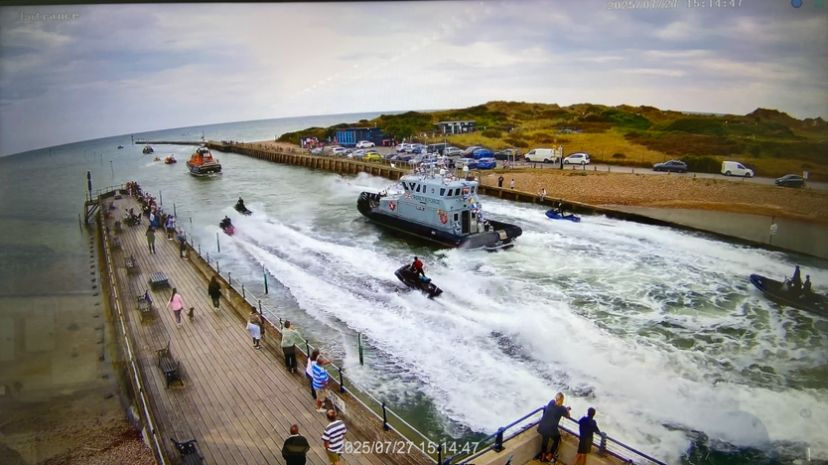
Local Environmental Rules to Protect the Harbour
Littlehampton Harbour is part of a delicate coastal ecosystem. To keep it clean and safe, there are rules about waste disposal and pollution.
Never dump rubbish or fuel into the water. Use the designated bins and recycling points onshore. If you spill fuel or oil, report it immediately to harbour authorities.
Fishing is popular here, but follow local regulations on catch limits and protected species. Respecting these rules helps preserve the harbour’s natural beauty for everyone.
RYA Safety Training Near Littlehampton
If you want to improve your boating skills, several training providers operate along the South Coast. Seahorse Marine School offers a wide range of RYA courses, including safety, navigation, and powerboat handling and VHF. Their instructors focus on practical skills and local knowledge. You can find more details on their website: Seahorse Marine School.
Seahorse Marine School stands out for its friendly approach and strong reputation in West Sussex. Taking a course here can make your time at Littlehampton Harbour safer and more enjoyable.

What to Do in an Emergency
Despite all precautions, emergencies can happen. Knowing what to do can save lives.
If you have a problem on the water, call the Coastguard on VHF channel 16 or dial 999. Keep calm and provide your location, nature of the emergency, and number of people on board.
Carry a fully charged mobile phone in a waterproof case as a backup. Also, make sure your life jackets are worn at all times.
Reporting & emergencies
Report any collision, sinking, grounding, or abandoned/adrift/missing vessel to the Harbour Authority as soon as possible on VHF channel 71 or 16
Final Thoughts on Staying Safe at Littlehampton Harbour
Boating at Littlehampton Harbour is a joy when you follow the rules and prepare properly. Respect speed limits, communicate clearly, and keep your safety gear ready. Check the weather and tides, and always be mindful of the environment.
If you want to boost your confidence, join a course at Seahorse Marine School. Their expert guidance can help you enjoy the water safely and responsibly.
Let’s keep Littlehampton Harbour a safe and welcoming place for all boaters. Get out there, have fun, and stay safe!


Comments