
Essential Spring Boat Maintenance Tasks to Prepare for the Water

Spring is the perfect time to get your boat ready for the boating season. After months of winter storage, your vessel needs a thorough checkup and some maintenance to ensure it performs well and stays safe on the water. Skipping these tasks can lead to costly repairs or dangerous situations once you hit the waves. This guide covers the essential spring boat maintenance tasks that will help you start the season with confidence.
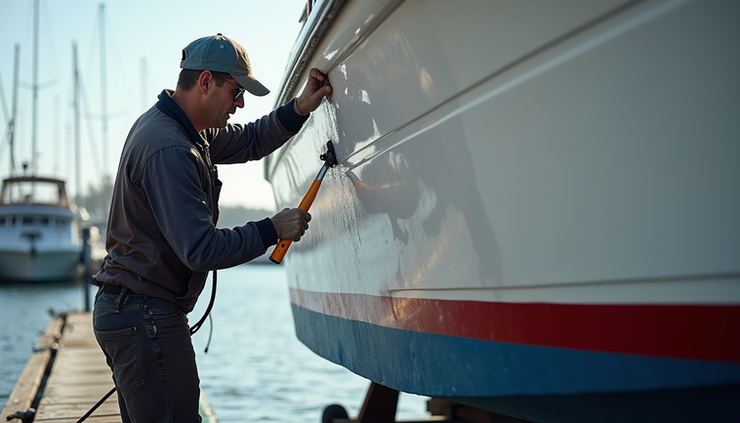
Inspect the Hull and Deck
Start by examining the hull and deck for any damage or wear. Look for cracks, blisters, or scratches that may have developed during winter storage or transport. Pay close attention to the gel coat and fiberglass surfaces.
Clean the hull thoroughly using a marine-safe soap and a soft brush.
Repair minor cracks or chips with appropriate marine fillers.
Check the deck for soft spots or delamination, which could indicate water intrusion.
Inspect all fittings, cleats, and rails to ensure they are secure and free of corrosion.
Addressing these issues early prevents water damage and structural problems later in the season.
Service the Engine and Fuel System
The engine is the heart of your boat, so it needs careful attention after sitting idle.
Change the engine oil and replace the oil filter.
Inspect and replace the fuel filter if necessary.
Check fuel lines for cracks or leaks and replace any damaged parts.
Flush the cooling system to remove any debris or salt buildup.
Test the battery and clean the terminals; replace the battery if it no longer holds a charge.
Run the engine briefly to ensure it starts smoothly and runs without unusual noises.
If you have an outboard motor, remove the propeller to check for fishing line or damage. Lubricate the prop shaft before reinstalling.
Examine the Electrical System
Electrical issues can cause frustration or safety hazards on the water. Take time to inspect the wiring and components.
Check all navigation lights, cabin lights, and deck lights to make sure they work.
Inspect wiring for corrosion, frayed insulation, or loose connections.
Test the bilge pump to confirm it activates automatically and pumps water efficiently.
Verify that all gauges and switches on the control panel function properly.
Replacing worn wiring or bulbs now avoids failures during your outings.
Clean and Inspect Safety Equipment
Safety gear must be in good condition and easily accessible.
Check life jackets for tears, broken straps, or missing buckles.
Replace expired flares and fire extinguishers.
Inspect the first aid kit and restock any used or outdated items.
Test the horn or whistle to ensure it produces a loud sound.
Verify that the anchor, lines, and docking equipment are in good shape.
Having reliable safety equipment is essential for your peace of mind on the water.
Check the Steering and Controls
Smooth steering and responsive controls contribute to safe handling.
Inspect the steering cable or hydraulic system for wear or leaks.
Lubricate moving parts according to the manufacturer’s recommendations.
Test throttle and shift controls to ensure they operate smoothly.
Adjust or tighten cables if you notice any slack or stiffness.
Properly functioning controls help you maneuver confidently in all conditions.
Inspect the Trailer
If you use a trailer to transport your boat, it also needs spring maintenance.
Check tire pressure and tread depth; replace tires if worn.
Inspect wheel bearings and repack them with grease if needed.
Test trailer lights and wiring for proper operation.
Examine the winch, straps, and safety chains for damage or corrosion.
Look over the trailer frame for rust or cracks.
A well-maintained trailer protects your boat during transport and prevents roadside breakdowns.
Prepare the Interior and Upholstery
The inside of your boat deserves attention to keep it comfortable and inviting.
Clean all cushions, seats, and carpets with appropriate cleaners.
Check for mold or mildew and treat affected areas.
Repair or replace torn upholstery.
Lubricate hinges and locks on storage compartments.
Inspect the bilge area for standing water or debris and clean thoroughly.
A fresh interior makes your boating experience more enjoyable.
Final Checks Before Launch
Before you put your boat back in the water, complete these last steps:
Verify that all drain plugs are installed securely.
Load safety equipment and personal items.
Review your boat registration and insurance documents.
Plan a short test run close to shore to monitor engine performance and handling.
Taking these precautions ensures a smooth start to your boating season.

Comments